

An independent guide
Scuba Diving in Canada's Cold, Clear Water
Scuba diving in Canada means cold, clear water and wildlife you will never meet in the tropics. This guide covers the dive sites and dive shops from British Columbia to Newfoundland, the gear that keeps you warm, and how to plan the trip, from where to stay to where to eat.
Plan your dive trip
When to go, what the water feels like and how to get there: our Canada dive trip planning guide covers every region in detail.
Dive season
All year in B.C.; May to October in the east
Ontario, Quebec and Newfoundland dive mostly from late spring to early fall. British Columbia dives year-round.
Water temperature
Cold: often 4–10 °C at depth
About 39–50 °F below the surface layer. Shallow water warms in late summer; spring water in the east is near freezing.
Featured dive sites
Kelp forests and current-swept walls, freshwater shipwrecks and wartime wrecks: three of Canada's best-known dives.
View all dive sites →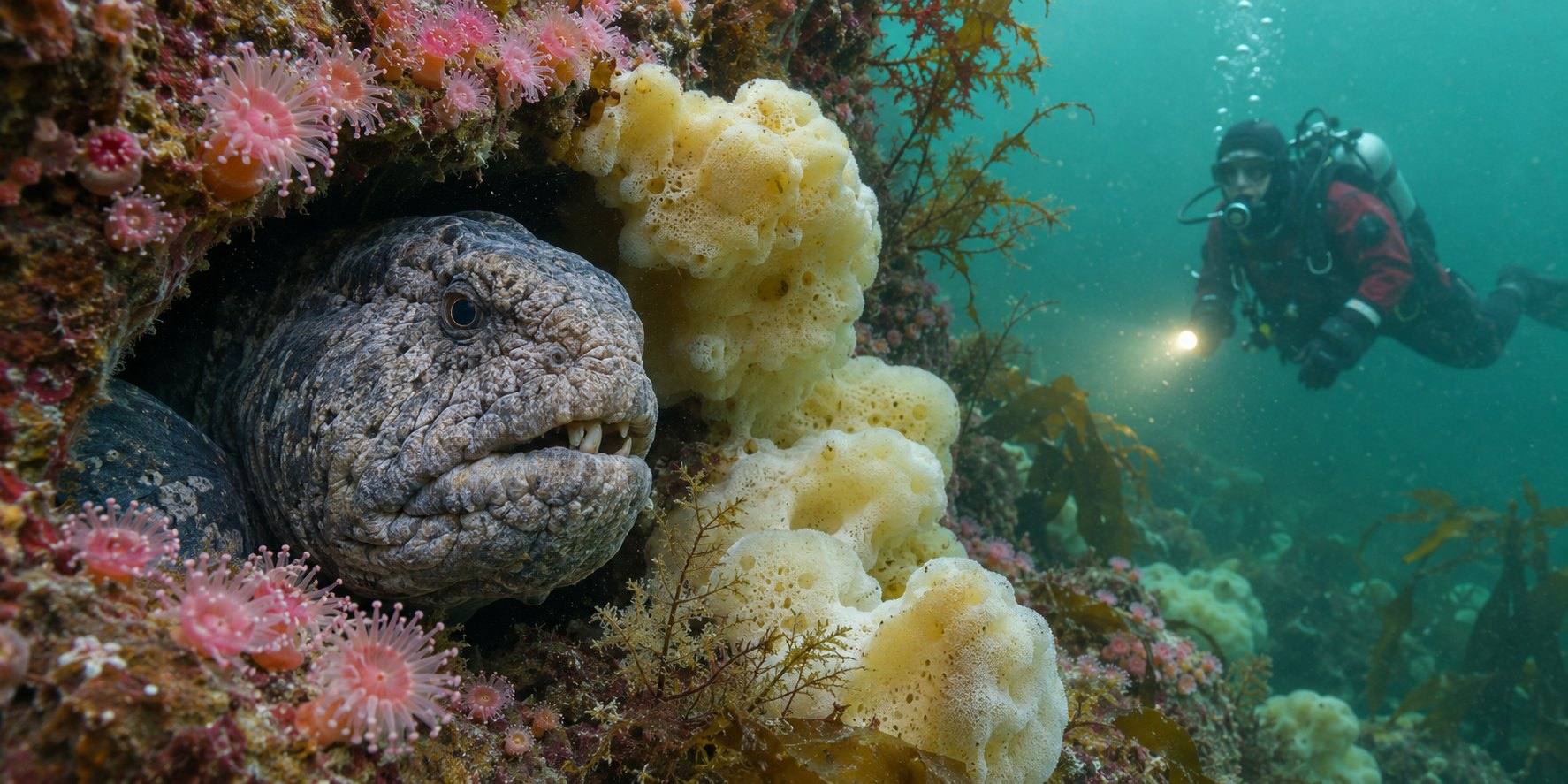
Browning Pass, British Columbia
Tidal currents off northern Vancouver Island feed walls packed with anemones, sponges, wolf eels and octopus.
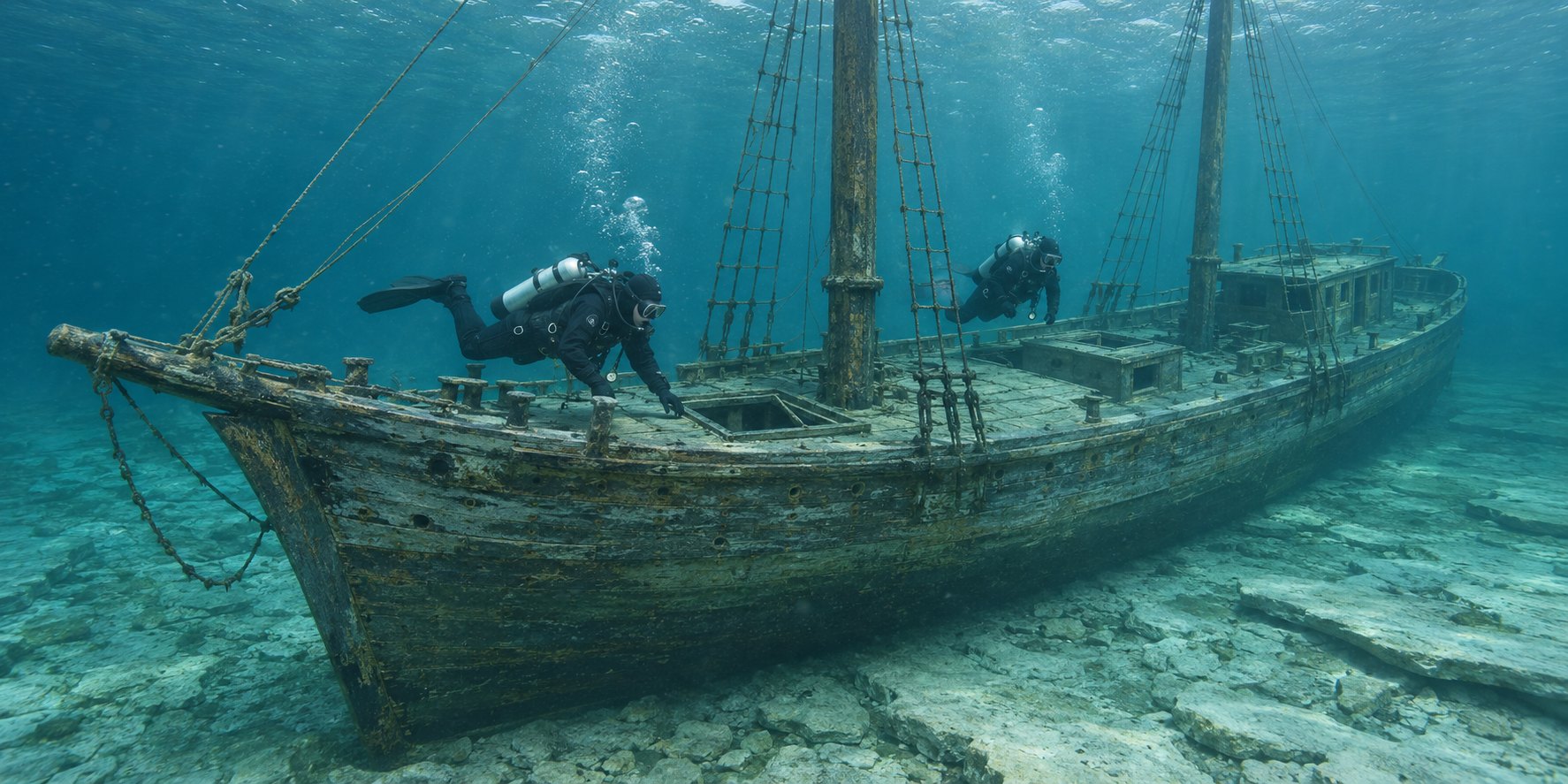
Fathom Five, Tobermory
Clear fresh water at the tip of the Bruce Peninsula keeps more than 20 wooden and steel shipwrecks in remarkable shape.
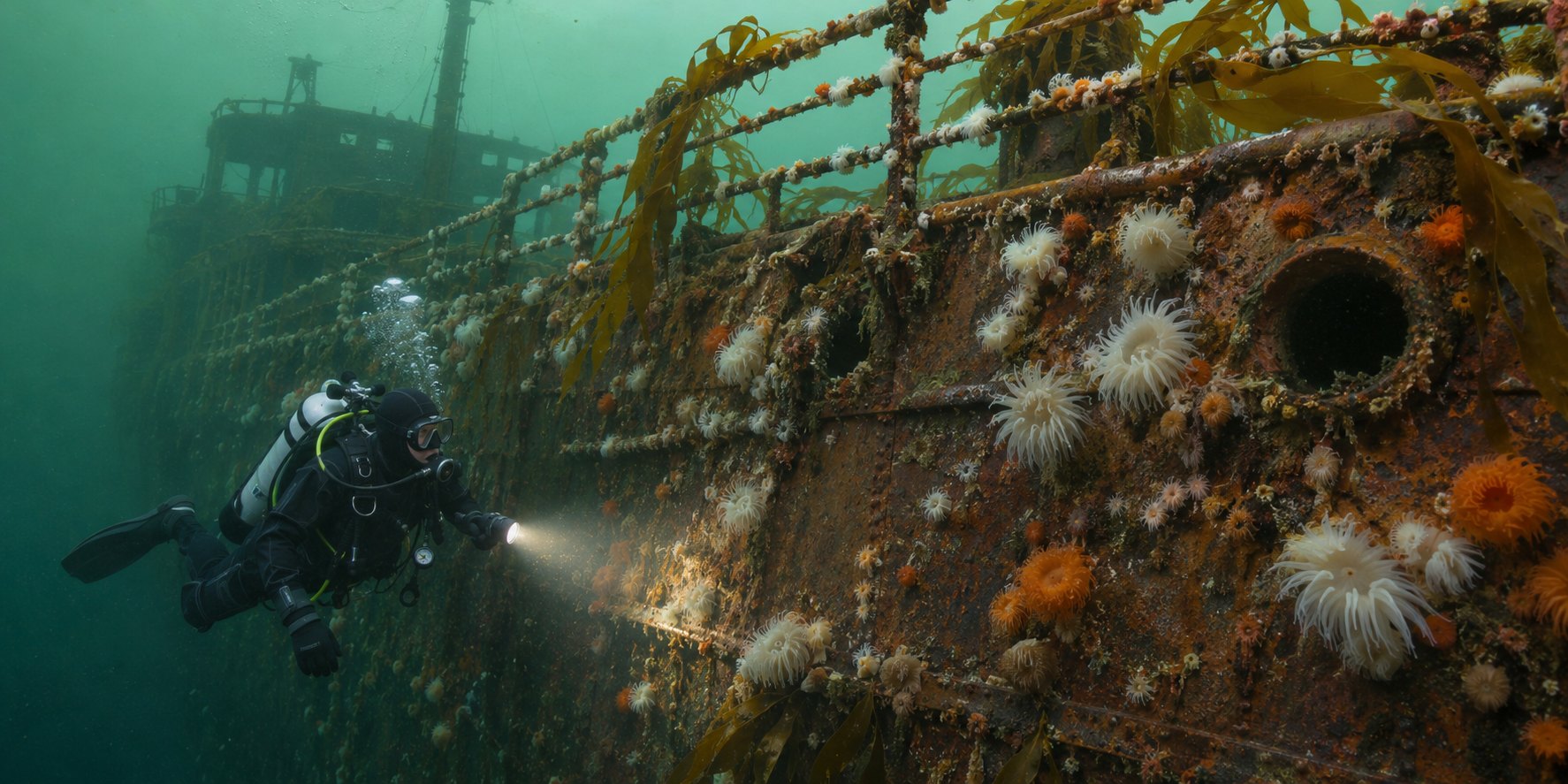
Bell Island Wrecks, Newfoundland
Four ore carriers sunk by German U-boats in 1942 lie in Conception Bay, a short ferry ride from St. John's.


Gear for cold water
Practical advice on the gear that keeps you warm, comfortable and safe in Canada's cold, clear water: drysuits and undergarments, hoods and gloves, and regulators built for the cold.
Explore the gear guideLatest from the blog
Region guides, wreck stories and trip ideas from Canada's diving coasts and lakes.
Read the blog →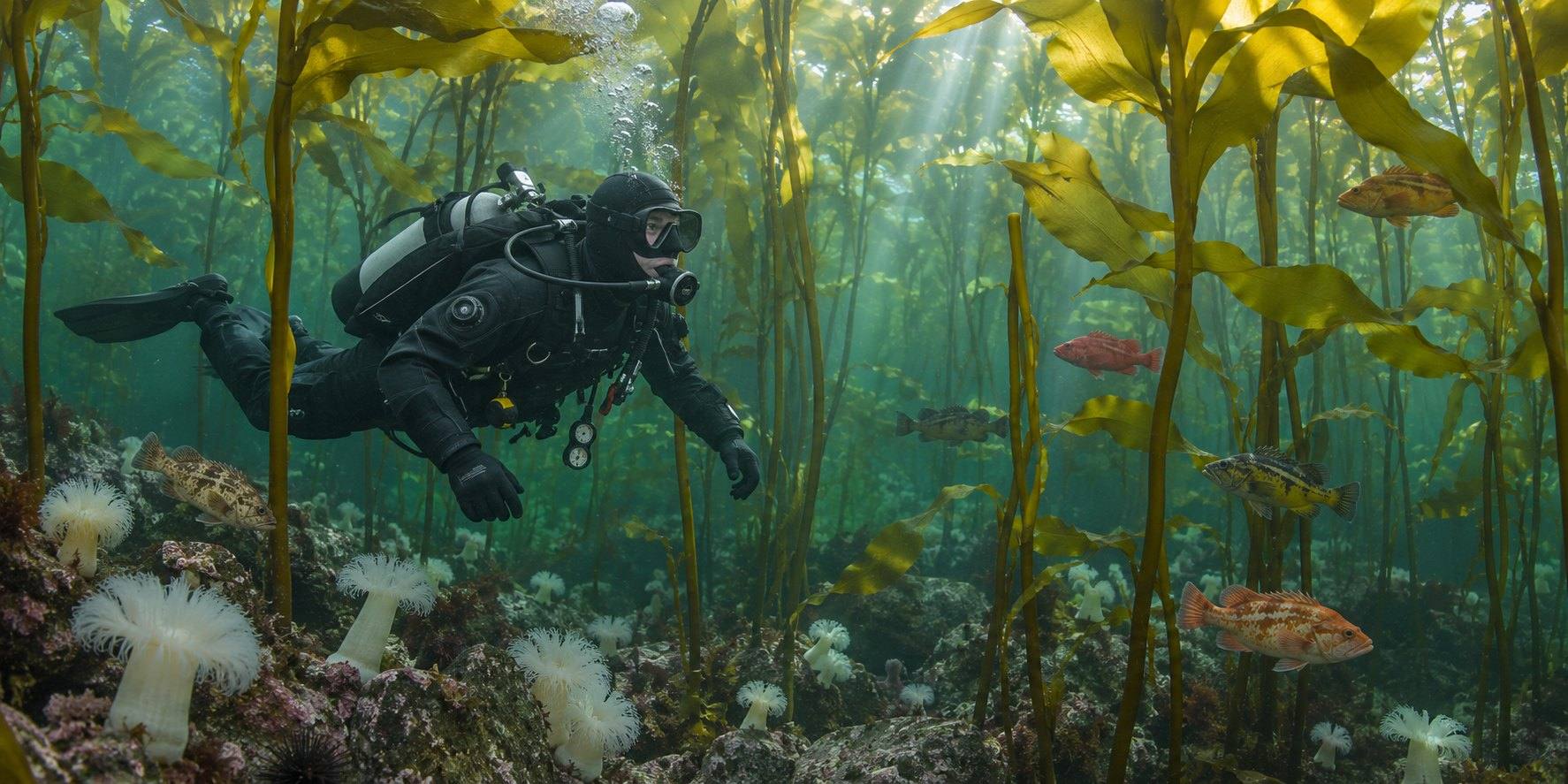
Dive regions
A diver's guide to British Columbia's kelp coast
Octopus, wolf eels, sunken warships and how to dive the tides.
Wreck diving
Exploring the Tobermory shipwrecks
Fathom Five's schooners and steamers, from easy shallows to deep wrecks.
Destinations
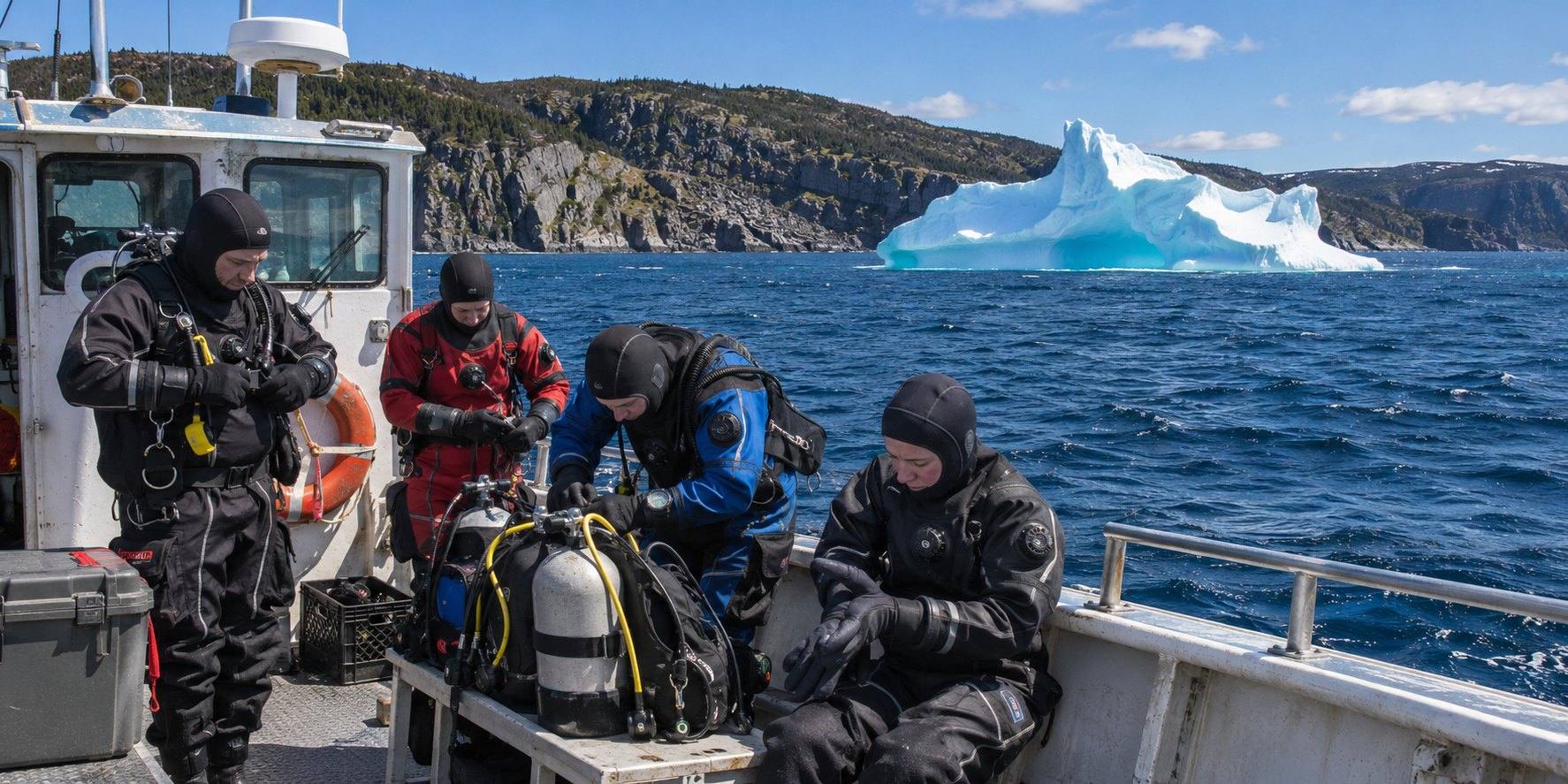
Why Newfoundland belongs on your dive list
Wartime wrecks, icebergs and whales on Canada's far east coast.


Why dive Canada
Cold water, big life and history you can touch
Canada has the longest coastline in the world and shares the largest freshwater lakes on Earth with the United States, so there is a lot of water to explore. It is not warm water. Divers here wear drysuits most of the year, plan around tides and short seasons, and accept that a dive can start with a cold walk over rocks. What they get in return is some of the richest temperate diving anywhere.
On the Pacific coast, cold water full of nutrients feeds dense walls of anemones, sponges and soft corals, and the animals are big: giant Pacific octopus, wolf eels, lingcod and sea lions. In the Great Lakes, cold fresh water has kept wooden schooners and steamers intact for more than a century. In Newfoundland and the St. Lawrence estuary, the North Atlantic brings wolffish, whales and wrecks from the Second World War. Our guide to Canada dive sites walks through each region and what it is known for.
Where to start
If you are new to cold water, start with training. A drysuit course with a local shop teaches buoyancy and safety skills that a warm-water certification does not cover, and most Canadian shops run them in spring and summer. Our page on choosing a Canada dive shop explains what to look for, from drysuit rentals to guided shore dives, and the cold water dive gear guide covers what to rent and what to buy.
Then pick a region by season. British Columbia dives all year and often has its best visibility in winter. Tobermory, Kingston, Les Escoumins and Bell Island are summer destinations, with most diving between late spring and early fall. Distances are large, so plan the drive or the ferry as carefully as the dives: the trip planning page covers airports, ferries, entry rules and flying after diving.
Dive towns in Canada are small, and the good places to sleep and eat fill up in summer. Our guides to where to stay on a Canada dive trip and where to eat on a Canada dive trip cover what to book early and what to look for: gear-drying space, early breakfasts and the regional food worth a stop after the last dive.
About this guide
Scuba Diving Canada is an independent guide. We describe sites, seasons and conditions in general terms that hold true year to year, and we do not list prices or rank businesses. Conditions, park rules and operators change, so confirm the details with a local dive shop or Parks Canada before you go, and always dive within your training.